8 April 2026 • Phishing
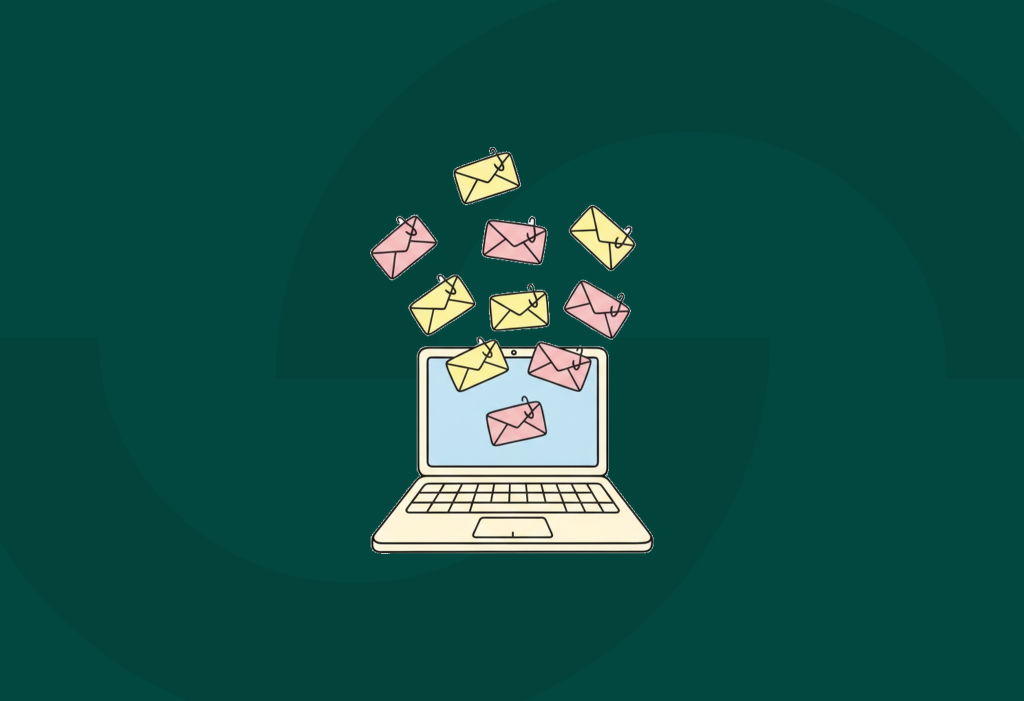
A phishing campaign is an organized attack in which cybercriminals target large numbers of people through fake emails, text messages, or phone calls. The goal: steal login credentials, install malware, or transfer money. Organizations of all sizes are at risk.
How does a phishing campaign work?
Attackers send messages that appear to come from a trusted source, such as a bank, government agency, or colleague. They exploit urgency or fear. A single click on a link or filling out a form can be enough to cause serious damage.
Many campaigns target specific organizations or job functions. This is called spear phishing. The more targeted the attack, the higher the chance of success.
Common techniques
- Fake login pages that look identical to real services
- Urgent language such as “your account will be suspended”
- Spoofed senders, such as the name of a manager or executive
- Malware attachments disguised as invoices or contracts
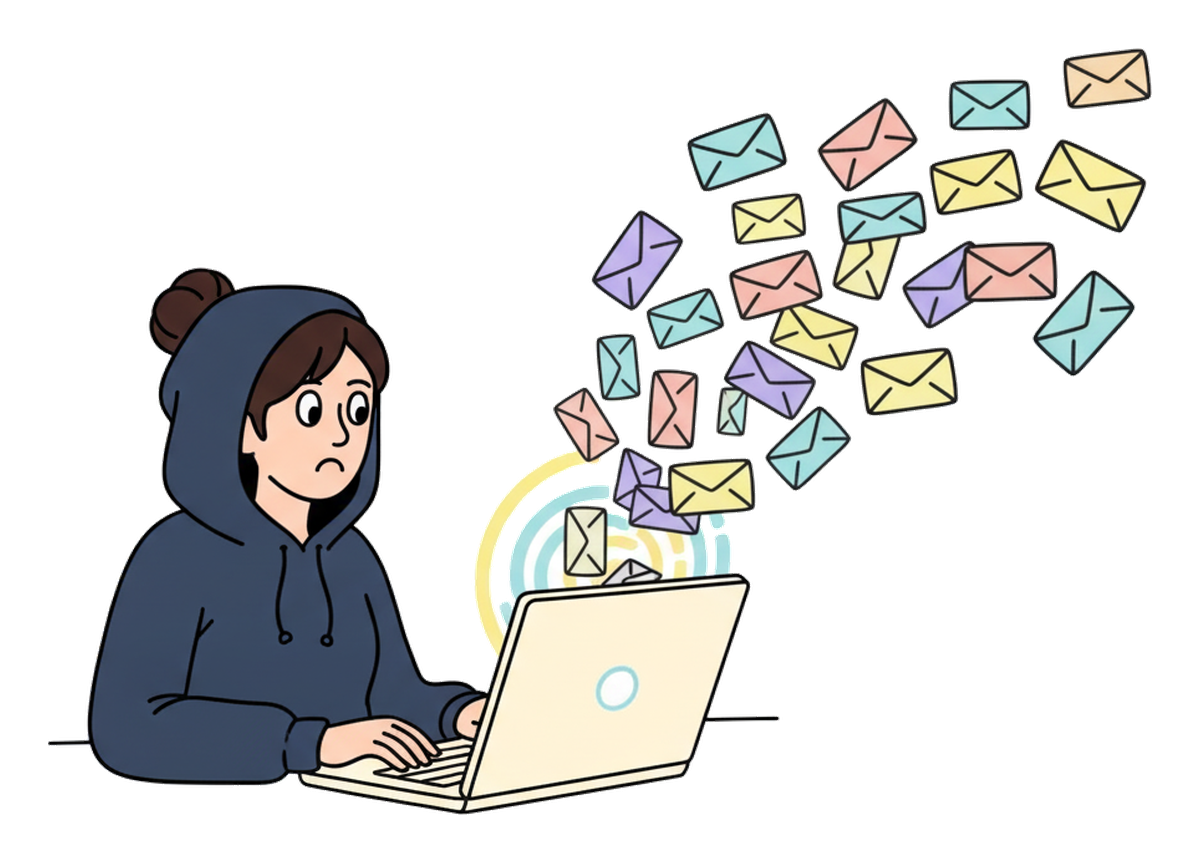
What is a phishing awareness campaign?
A phishing awareness campaign is the opposite: a simulated attack you run yourself to test and train employees. You send fake phishing emails within your own organization and measure who clicks, who reports, and who submits information.
The goal is not to punish, but to educate. Employees who fall for a simulated phishing email immediately learn what they should have noticed. Over time, this builds a vigilant organization.
How to set up a phishing awareness campaign
- Choose a platform that sends simulated phishing emails and tracks results
- Set up realistic scenarios relevant to your industry
- Measure click rates and reporting rates per department
- Combine with Security Awareness Training so employees understand what they missed
- Repeat regularly — phishing techniques evolve constantly
Why one-time training is not enough
A single annual workshop does not change behavior. Research shows that employees quickly forget new knowledge if they don’t apply it. Effective awareness training, or phishing training, works continuously: short learning moments, regular simulations, and immediate feedback.
Want to run your own phishing awareness campaign?
Book a demo and see how Guardey sets up realistic phishing simulations and the training that follows each click.
Request a demo